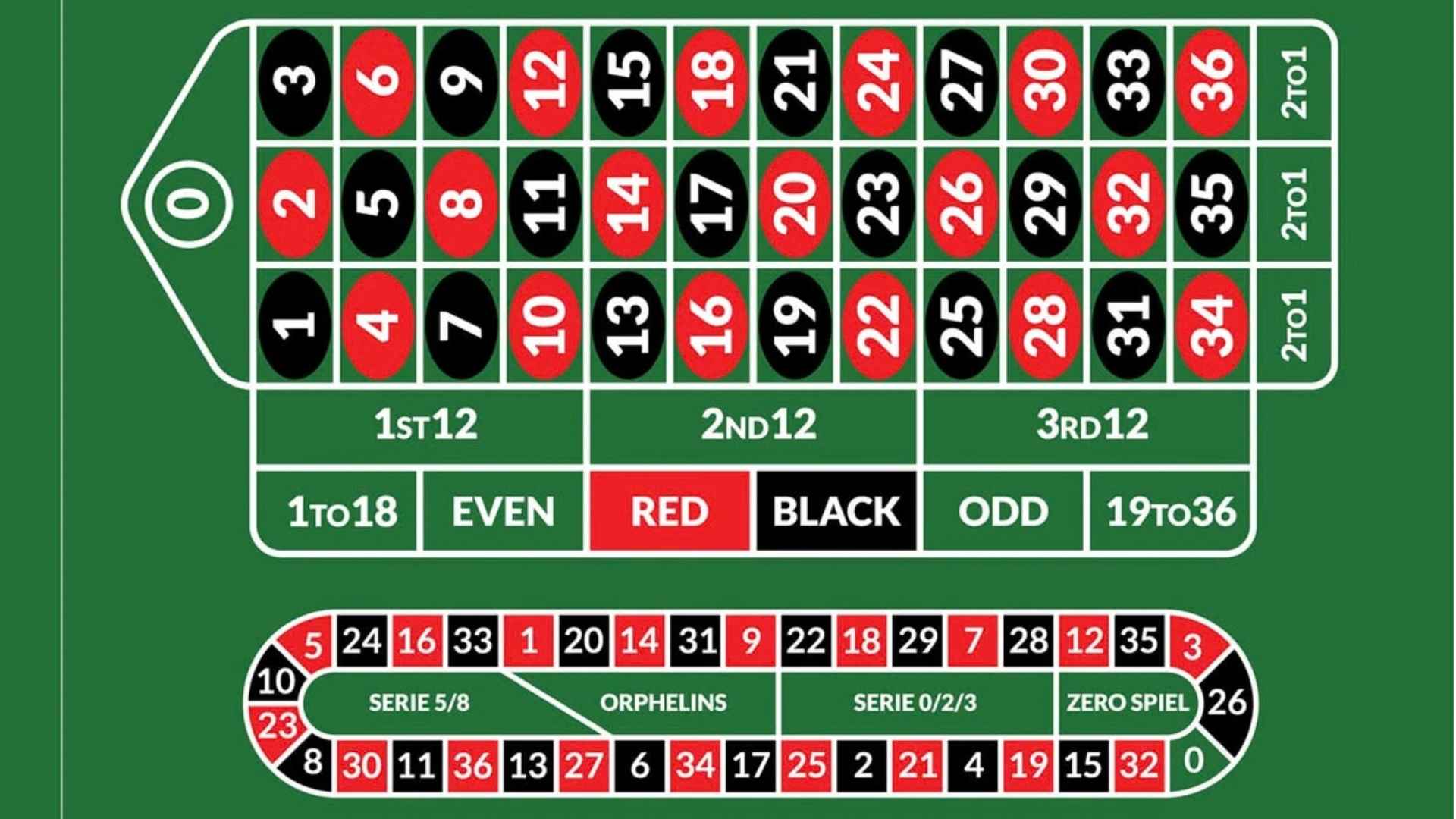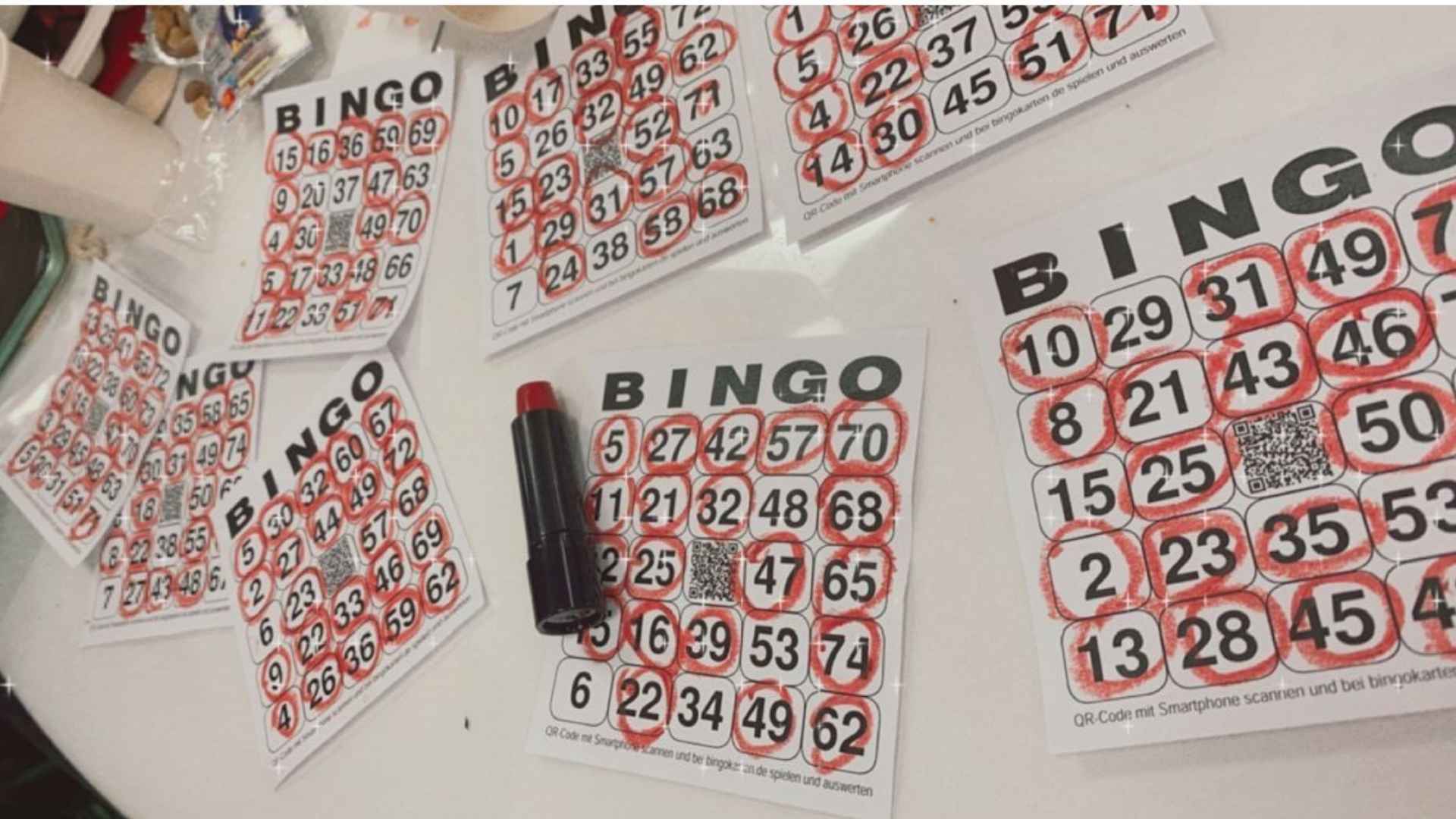
Learning mathematical concepts often poses a significant challenge for students due to abstract formulas and rigid textbook methods. However, integrating strategic games into educational environments can transform the way individuals perceive statistical uncertainty. By shifting from passive memorization to active play, learners can cultivate a practical understanding of risk and numerical odds.
The Value of Interactive Math Environments
Traditional classrooms frequently rely on deterministic problems where every equation yields a singular, definitive answer. Introducing games of chance helps students embrace real-world unpredictability while training their analytical minds. This hands-on methodology allows participants to observe mathematical patterns unfold in real time rather than viewing them as static data points.
Furthermore, interactive simulations encourage regular experimentation, which helps dispel common myths surrounding absolute luck. When individuals actively calculate their next moves, they begin to see how strategic choices minimize unpredictable outcomes. This mental shift lays the groundwork for advanced cognitive flexibility and data-driven reasoning skills.
Developing Strategic Thinking Through Gameplay
Engaging in tabletop puzzles or digital challenges forces players to weigh potential rewards against varying degrees of hidden risk. Every decision requires a careful estimation of likelihood, turning standard entertainment into a dynamic exercise in logic. Over time, players refine their baseline intuition and learn to evaluate complex independent and dependent scenarios systematically.
For those looking to explore these statistical systems further, navigating platforms that specialize in digital odds can be highly educational. Using a trusted portal like m88 mansion indo allows analytical thinkers to study how digital random number generators simulate authentic probability structures. Observing these systems in action provides a concrete reference point for understanding how complex software algorithms balance mathematical equity.
Practical Benefits Beyond the Classroom
Mastering statistical variations through structured entertainment serves as an excellent tool for real-life decision-making. Individuals who practice assessing odds regularly become more confident when evaluating financial risks or everyday uncertainties. This proactive cognitive training reduces anxiety when facing unpredictable professional or personal milestones.
Ultimately, transforming abstract numbers into immersive challenges ensures that mathematical literacy remains accessible to all age groups. When the learning process becomes an engaging journey, retention rates increase dramatically. By leveraging the power of play, mastering statistical structures becomes both an achievable goal and a rewarding intellectual pursuit.