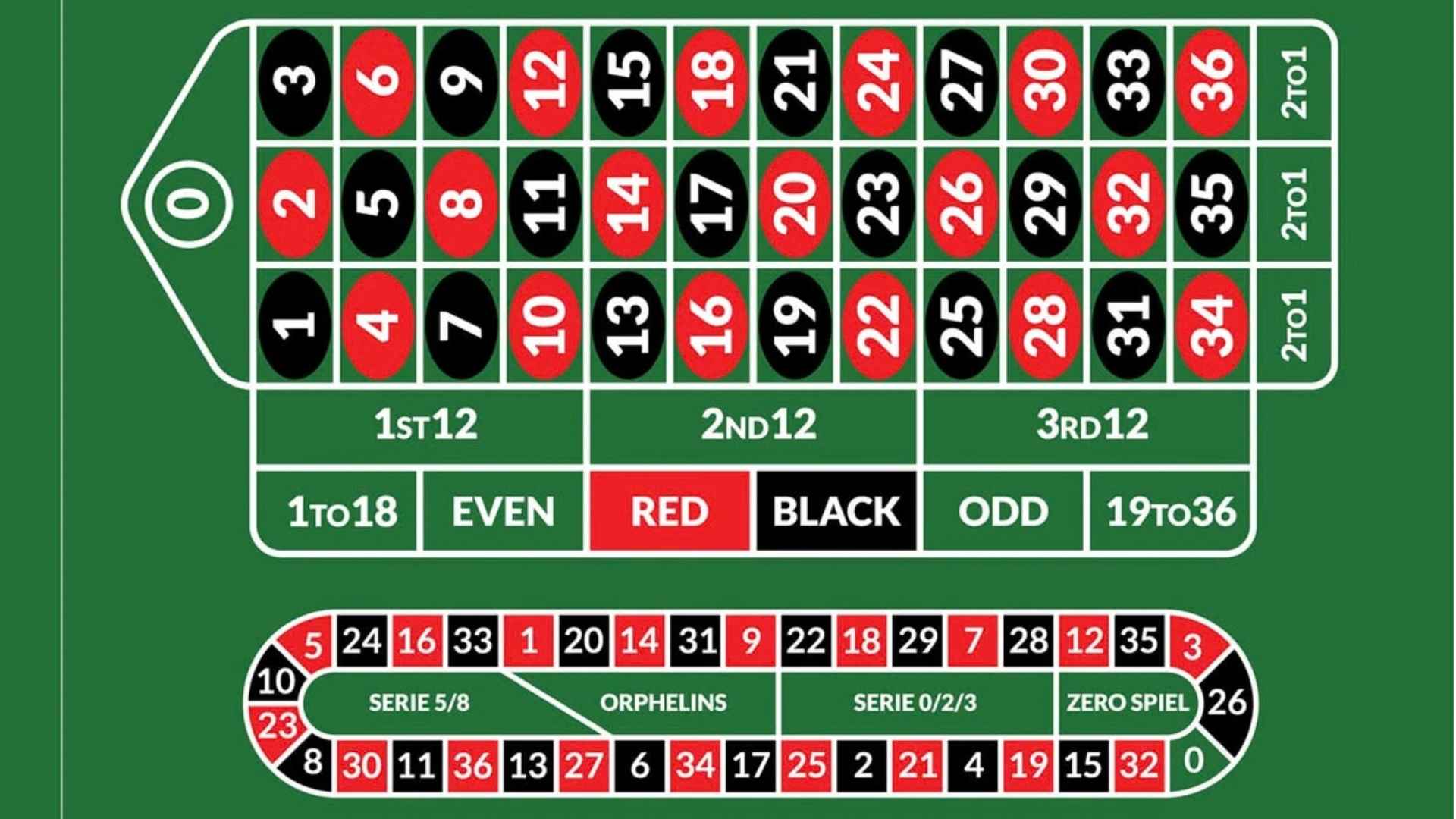
When participating in modern games of chance or interactive digital applications, individuals are continually exposed to a wide range of outcomes. While standard or expected outcomes happen most frequently, they rarely register deeply in human memory systems. Instead, it is the highly unusual or unexpected milestones that immediately capture attention and spark intense analytical thinking.
The Psychology of the Cognitive Salience Effect
The human brain is naturally hardwired to process information efficiently by filtering out predictable daily patterns. When a player encounters an event that deviates from the baseline norm, it triggers a strong cognitive alertness response. This sudden spike in awareness ensures that rare occurrences are registered with heightened emotional significance.
Psychological studies suggest that survival mechanisms historically relied on identifying unexpected changes in an environment rather than repeating static conditions. As a result, modern players naturally fixate on low-probability milestones because their cognitive wiring flags them as highly important indicators. This internal mechanism transforms a minor mathematical variation into a deeply memorable highlight.
How Novelty Influences Memory Retention
Standard outcomes require very little mental effort to process, meaning they are quickly forgotten after they happen. On the other hand, encountering a rare outcome forces the mind to actively build a narrative to explain why it occurred. This extended cognitive processing creates stronger neural connections, allowing the memory of that specific event to linger for a long time.
When analyzing digital systems or tracking personal statistics on tracking networks like m88 central, users often find that their recollections skew heavily toward extreme results. This happens because the emotional spike associated with surprise acts as a powerful memory anchor. Consequently, routine occurrences fade away into the background while the anomalies dominate our overall perspective.
The Illusion of Pattern Formation in Randomness
Human cognition naturally searches for order, meaning, and predictability within entirely chaotic or unpredictable environments. When an unusual milestone appears, observers frequently struggle to view it as a simple product of independent mathematical probability. Instead, they try to connect the dots and infer that a hidden trend or system is actively at play.
This drive to find meaning often leads individuals to overestimate the true likelihood of a rare occurrence happening again in the future. Because the rare event stands out so clearly in their minds, it alters their objective judgment regarding actual mathematical odds. This disconnect between perception and reality explains why unusual events maintain such a powerful grip on player expectations.
Designing Interfaces for Heightened Awareness
Modern developers understand how the human mind reacts to unusual events and purposefully design interfaces to maximize this impact. By combining rare results with distinct audio cues, flashing animations, or vibrant color shifts, creators can amplify the natural sense of surprise. These external sensory triggers work together with our psychology to ensure the event feels truly monumental.
Ultimately, the fascination with rare outcomes ensures that interactive platforms remain engaging over prolonged periods. By breaking up the monotony of everyday patterns, these exceptional moments provide the variety that keeps our minds curious and invested. They serve as a powerful reminder that unpredictability remains one of the most compelling forces in entertainment design.