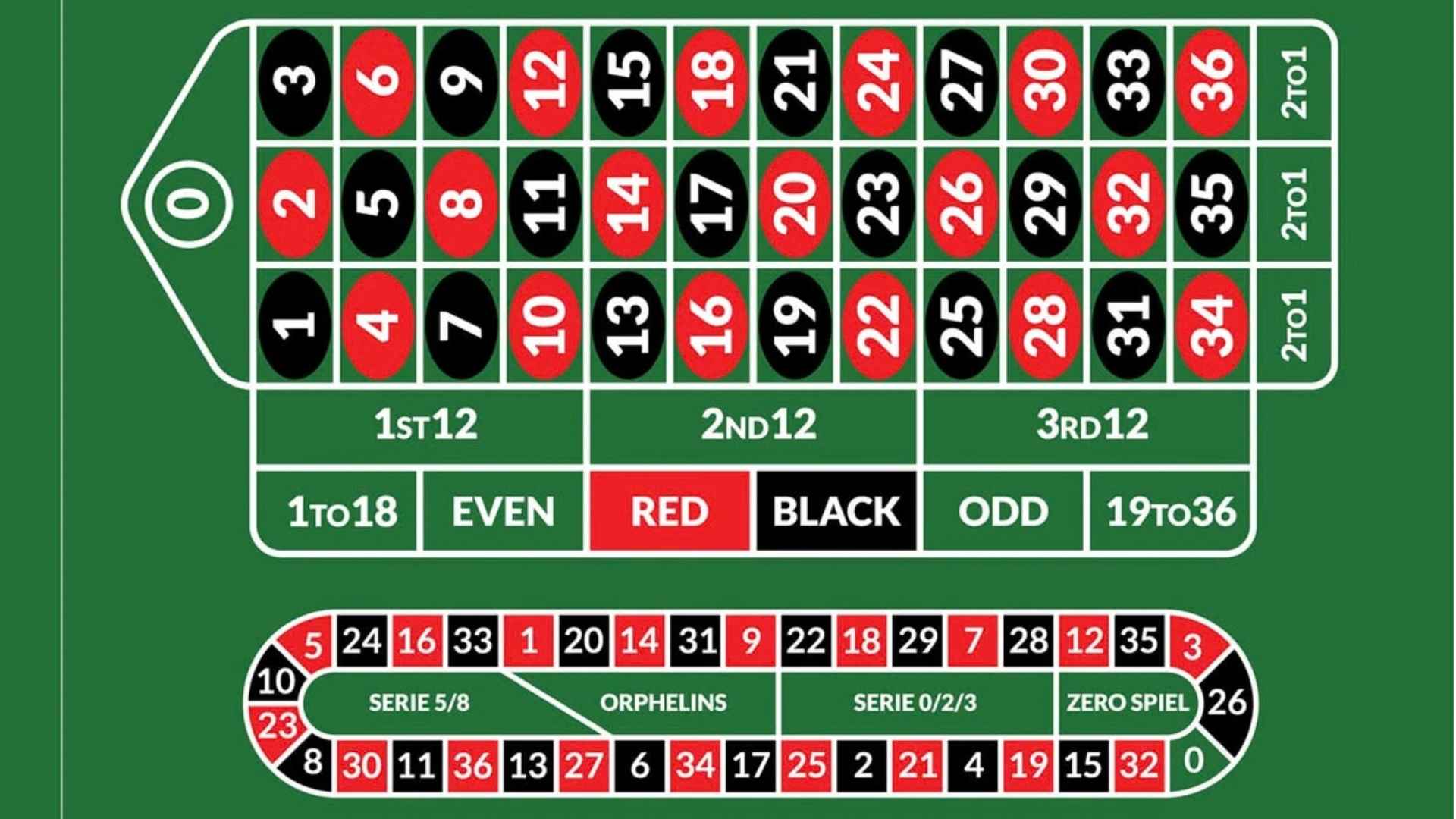
The integrity of modern digital platforms hinges heavily on the algorithms managing unexpected outcomes and statistical variations behind the scenes. Random Number Generator technology provides the crucial foundation for maintaining unbiased systems, ensuring that no interactive events follow a predictable sequence. Without external validation of these backend architectures, confirming absolute mathematical equity remains a massive hurdle for both developers and consumers.
The Core Challenges of Digital Randomness
Computers are inherently logical machines built on deterministic rules, which means that true unpredictability is difficult to achieve purely through standard code. Software engineers use mathematical equations to simulate artificial chance, but these models can occasionally suffer from hidden pattern loops or architectural drift. If a system begins to favor specific mathematical sequences, the foundational balance of the entire application risks becoming compromised.
Independent evaluations identify hidden flaws by analyzing millions of computational data cycles to check for subtle anomalies. This comprehensive level of oversight ensures that standard systems do not become predictable over long periods of execution. Consequently, regular system testing helps developers address potential logic flaws before they affect operational reliability.
Verifying Mathematical Neutrality
An internal review of software code is rarely sufficient to convince a highly skeptical global audience that an engine is completely free from bias. Third-party testing laboratories offer an objective look at the mathematical distributions produced by interactive applications during active periods. These independent experts ensure that past outcomes have no statistical influence over future events, preserving true software neutrality.
When virtual ecosystems undergo rigorous third-party testing, they establish a verified benchmark for fair play across the digital environment. Enthusiasts who prefer verified systems frequently turn to reputable entertainment networks like m88 mansion indo to interact with certified software architectures. By demonstrating a tangible commitment to algorithmic neutrality, platforms successfully build sustainable consumer confidence and industry credibility.
Mitigating Vulnerabilities and Exploits
Security remains a vital priority for any modern data network, especially when cryptographic protocols depend heavily on high-entropy random generation. Malicious actors frequently seek out predictable patterns within software architectures to gain an unauthorized competitive advantage or breach data frameworks. Independent security assessments look closely at seed generation mechanisms to verify that external entities cannot anticipate upcoming values.
Protecting data systems requires proactive auditing strategies that simulate complex cyber threats under various runtime conditions. These rigorous examinations help engineers strengthen their cryptographic variables against targeted exploits or unintended algorithmic bias. Ultimately, third-party validation forms a defensive shield that preserves the long-term structural integrity of corporate applications.
Fostering Long-Term Market Trust
Transparency has transitioned from a basic design choice into a vital cornerstone of player retention and brand authority in the competitive digital era. Compliance metrics established by global regulatory bodies mandate regular external oversight to protect public interests and guarantee equitable system behavior. Platforms that openly showcase their verification credentials enjoy significantly higher user loyalty and reduced long-term compliance risks.
As cloud platforms and mobile ecosystems continue to scale worldwide, the reliance on high-performance random engines will expand exponentially. Regular validation ensures that complex systems operate smoothly across diverse device architectures without sacrificing overall security. Maintaining independent review schedules will remain the definitive practice driving sustainable innovation and consumer safety.