While standard card tables draw massive crowds globally, seasoned card players frequently look beyond the typical gaming choices to uncover hidden variations. Exploring unique versions introduces refreshing table mechanics, alternative betting options, and different strategic balances that change the pace of play. Stepping off the beaten path allows enthusiasts to experience the game through cultural adaptations and forgotten historical rulebooks.
The Multi Tie Rituals of Asian Formats
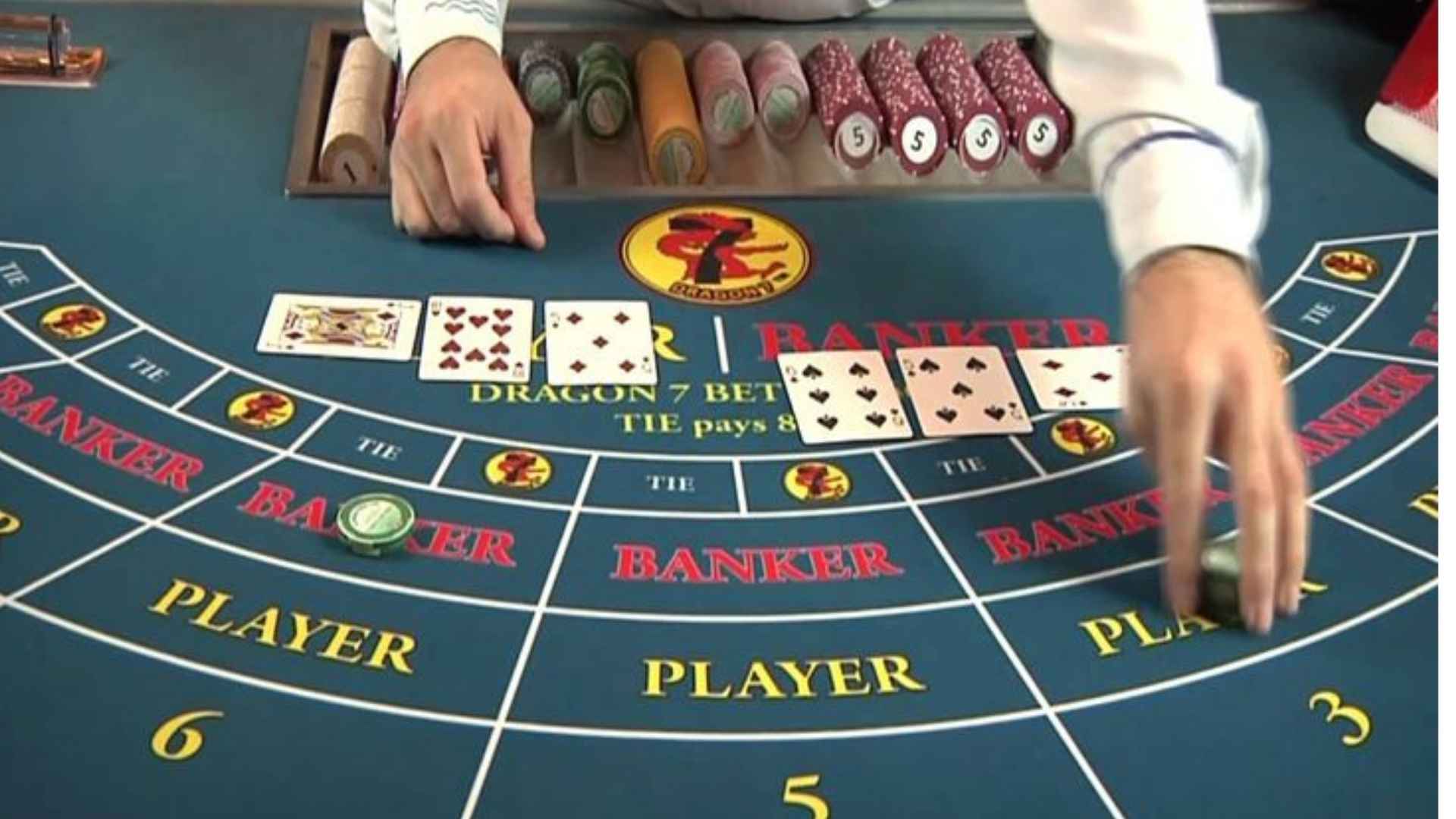
Baccarat has undergone an incredible transformation as it migrated from traditional European salons into the vibrant gaming hubs of Asia. While the fundamental objective of reaching a point total closest to nine remains intact, eastern tables have cultivated distinct rule sets and cultural rituals. Exploring these adaptations reveals how regional preferences can reshape a classic card game into a completely new interactive experience.
One major distinction is the presence of enhanced payout structures on specific tie variables and specialized side options. These tables frequently attract players who enjoy tracking complex patterns and applying historic analytical systems to their choices. Finding a reliable portal like the boss29 link allows analytical enthusiasts to elevate their approach across different regional and modern styles.
Chemin de Fer and Direct Player Control
European gaming houses have long held a reputation for elegance and deep-seated gaming traditions, serving as the birthplace for several sophisticated card games. Unlike the standard casino-banked versions, the players take turns acting as the banker and actively financing the table wagers. The cards are dealt face-down, and the designated active player holds the option to stand or draw a third card when holding certain specific hand totals.
This element of choice introduces a genuine layer of psychological strategy and skill that is absent from modern automated variations. Because it requires active decision-making and a shared bankroll among participants, it remains highly popular at traditional European land-based tables. It fosters a highly social environment where the outcome depends heavily on the choices made by those sitting around the felt.
Super 6 and the Absence of Commission
Traditional configurations dominate the gaming floor, but several compelling alternatives offer fresh tactical layers and completely different table dynamics. The elimination of the standard five percent commission on winning banker bets represents a major structural change in modern variants. Instead, this format introduces a specific condition where a winning banker hand totaling six pays out half the original wager amount.
This minor rule alteration significantly affects bankroll conservation and changes how experienced participants calculate long-term statistical advantages. The fast-paced nature of these tables ensures that players can enjoy a high volume of hands during relatively short sessions. It serves as the perfect bridge for individuals who enjoy modern casino efficiency combined with classic table game values.
Baccarat Banque and Permanent Banking Structures
Baccarat Banque is another historic variation that shares similarities with Chemin de Fer but features a much more permanent banking structure. In this version, the position of the banker is put up for auction or given to the player willing to risk the highest amount of capital. Furthermore, the dealer distributes cards to two separate sides of the table, allowing multiple participants to play distinct hands simultaneously.
The banker retains their position until their entire designated bankroll is exhausted or they choose to voluntarily withdraw from the role. This particular setup allows for longer strategic sessions and appeals to high rollers who enjoy managing a substantial table presence. It remains a fixture in classic gaming salons due to its formal structure and the deep tactical elements it offers to experienced participants.